英语教师素养系列之
人教社陈力:语篇分析的维度和要目
Elements of Discourse Analysis
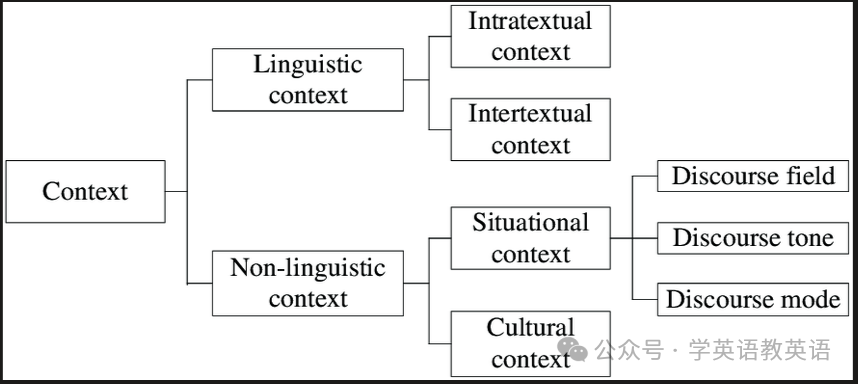
1)语篇的语境
交际的场合场景:如课堂/新闻/广告/社交媒体/学术写作等
交际的目的:如告知、说服、叙事、评价、建构身份等
交际双方及其关系:如正式/非正式、权力距离、亲疏程度等
社会文化传统规范:如礼貌、禁忌、价值取向等
Context
Setting: classroom / news / advertising / social media / academic writing
Communicative purpose: informing, persuading, narrating, evaluating, constructing identity
Audience & relationships: formal vs. informal; power distance; degree of familiarity
Cultural norms: politeness, taboos, value orientations
2)语篇的体裁/语类
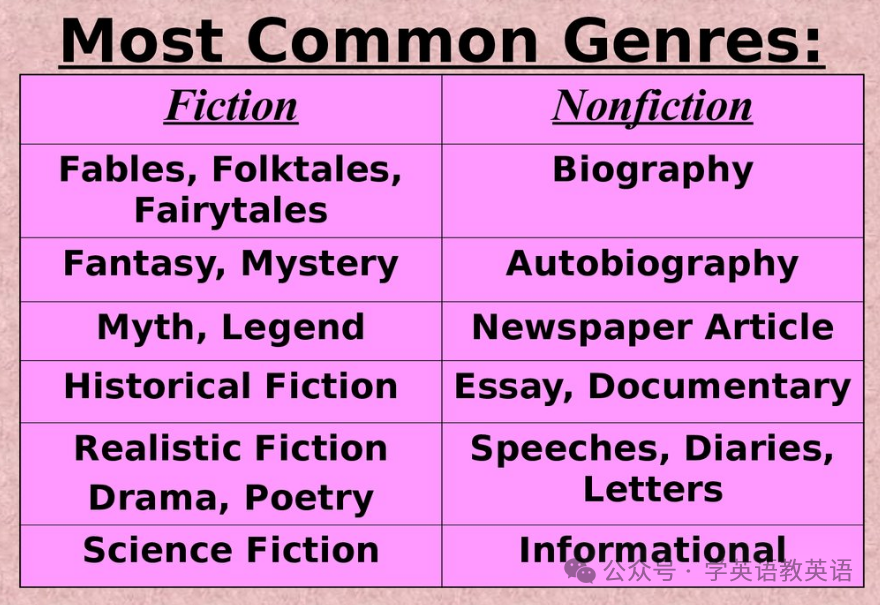
文本类型与语篇结构图式:例如说明文的定义-分类-举例,议论文的立场-论据-反驳-结论
语域三要素(SFL常用):
语场Field(谈什么)
语旨Tenor(关系)
语式Mode(口语/书面/非典型)
Genre / Register
Text types and typical structures: e.g., expository writing—definition → classification → exemplification; argumentative writing—claim/position → evidence → counterargument → conclusion
Three register variables (commonly used in SFL): Field (what is being talked about) / Tenor (relationships) / Mode (spoken, written, or mediated)
3)语篇的宏观结构
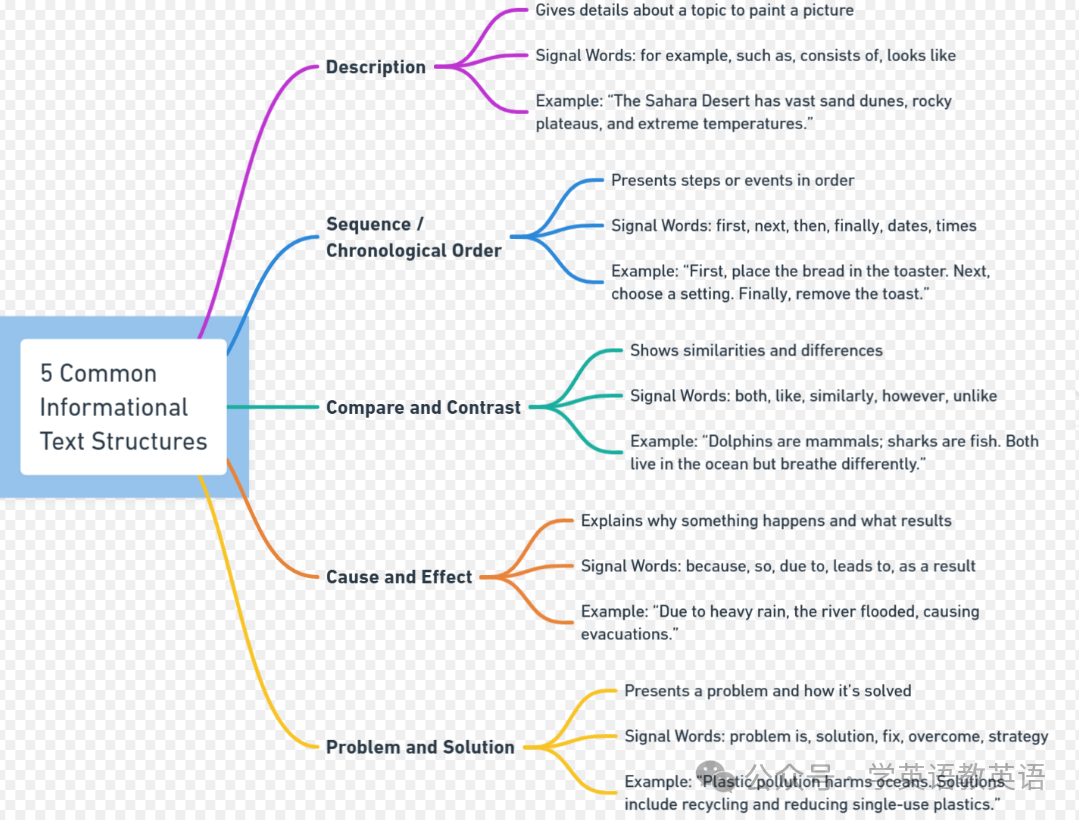
篇章结构:如引入—发展—转折—总结等
段落功能:如主题句、支撑句、例证、解释、结论等
信息结构:如已知→新信息、强调与聚焦等
Text Organization
Overall structure: introduction → development → turn/shift → conclusion
Paragraph functions: topic sentence, supporting sentences, examples, explanation, conclusion
Information structure: given → new information; emphasis and focus
4)语篇的衔接与连贯
衔接手段:指代(this/that/it)、替代与省略、连接词(however/therefore)、词汇复现与同义替换等词汇语法手段
连贯机制:逻辑关系、因果链、时间线、推理与常识框架等
Cohesion& Coherence
Cohesive devices: reference (this/that/it), substitution and ellipsis, connectives (however/therefore), lexical repetition and synonymy
Coherence mechanisms: logical relations, causal chains, timeline/chronology, inference and common-sense frames
5)语篇的人际意义
立场与态度:情态(might/must)、评价(important/acceptable)、模糊限制(to some extent)
礼貌与身份:请求/建议/批评的表达方式
说服策略:让步、强调、反问、对比等
Interpersonal Meaning / Stance
Stance and attitude: modality (might/must), evaluative words (important/acceptable), hedging (to some extent)
Politeness and identity: how requests/suggestions/criticism are expressed
Persuasive strategies: concession, emphasis, rhetorical questions, contrast, etc.
6)语篇的概念意义
事件与参与者如何被呈现:谁做了什么、因果如何建构
语态选择(主动/被动)对责任归因与焦点的影响
Ideational Meaning / Content
How events and participants are represented: who does what; how causality is constructed
Effects of voice choice (active/passive): on responsibility attribution and information focus
7)语篇的语言资源
词汇选择、搭配、语块(chunks)、语法模式(如名词化、从句嵌套)
语域特征:学术语域更名词化、口语更互动化
Lexico-grammar & Phraseology
Language choices: vocabulary selection, collocations, chunks, grammatical patterns (e.g., nominalization, embedded clauses)
Register features: academic registers tend to be more nominalized; spoken registers tend to be more interactive
8)多模态语篇
这个维度英语老师应该比较熟悉了:)
语言、图像、声音、空间、身体语言等与文字共同建构意义(尤其适用于视频、海报、PPT、社媒文本)
Multimodality
Meaning-making across modes: images, layout, subtitles, emojis, voice quality, etc., working together with text (especially in videos, posters, PPTs, and social media texts).


